
Living with severe hip pain can affect walking, sitting, sleeping, and even simple daily activities. If you’ve been searching for relief, you may be wondering “What is Total Hip Replacement: Surgery Process, Causes & Recovery” and whether the procedure is right for you. A total hip replacement is an advanced orthopedic surgery where the damaged hip joint is replaced with a prosthetic implant to restore mobility, reduce pain, and improve quality of life. At Gokhale Hospital, under the skilled care of Dr. Jayant Gokhale, patients receive precise diagnosis, world-class treatment, and long-term rehabilitation support.
Total hip replacement (also known as hip arthroplasty) is a procedure where the worn-out hip joint surfaces are replaced with artificial components made of ceramic, metal, or high-grade medical plastic. The artificial hip works similarly to the natural hip joint, allowing smoother movement and major pain relief.
This surgery is considered safe and successful, offering over 90–95% improvement in mobility and comfort for eligible patients.
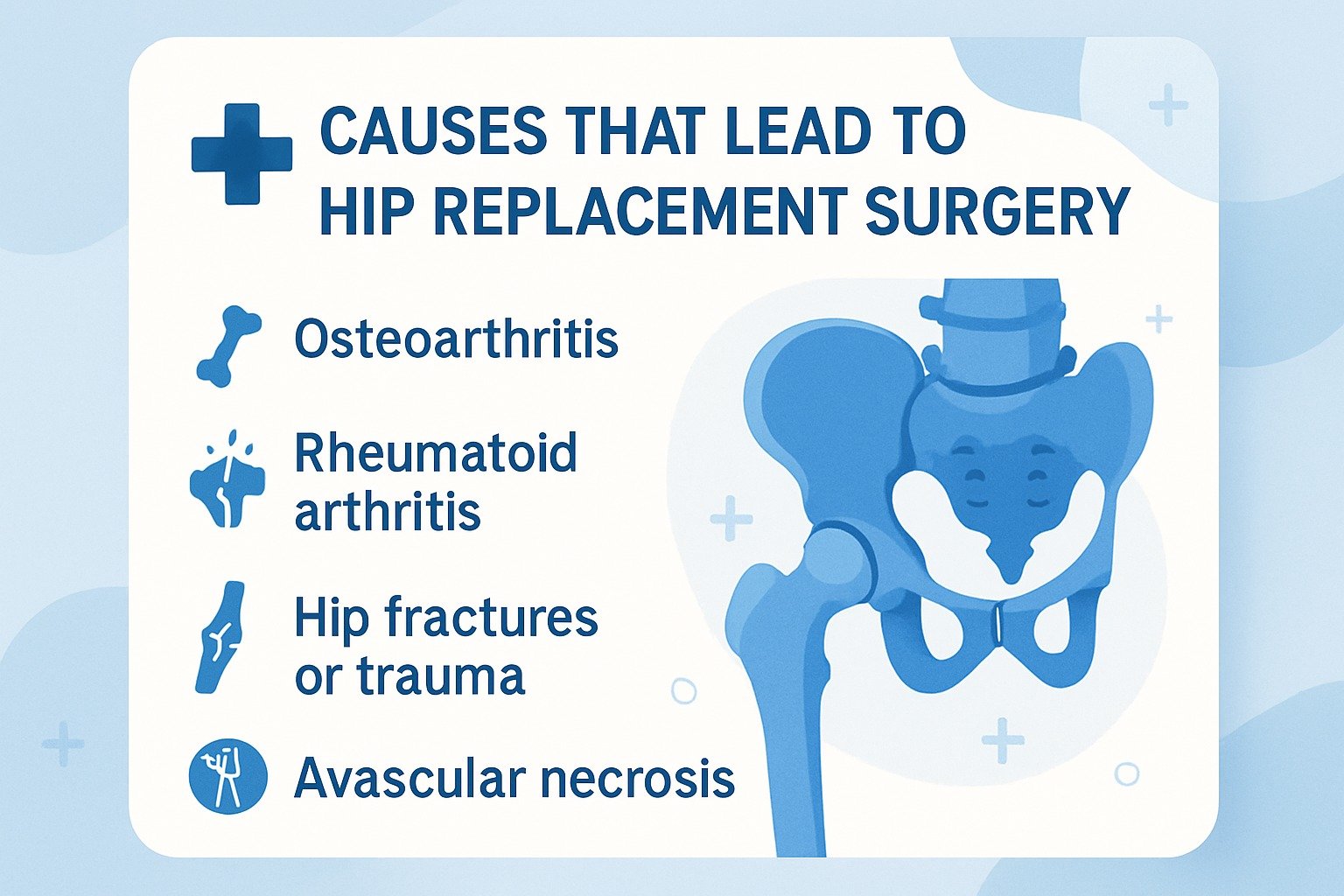
Total hip replacement is usually recommended when hip damage becomes irreversible and affects daily movement. The most common causes include:
When pain persists even after medicines, physiotherapy, and injections, many patients consult a Hip Replacement Surgeon in Dombivli to explore surgical options.
Patients often notice:
If these symptoms increase with time, consulting an experienced Hip Replacement doctor in Dombivli becomes important to avoid worsening joint damage.
Here is a simple explanation of how the procedure takes place:
This includes:
This helps decide the best approach for treatment.
Patients receive either general or spinal anesthesia, depending on medical suitability.
The surgeon removes damaged cartilage and bone carefully to prepare the site for the implant.
4. Implant Placement
A prosthetic hip socket and ball joint are inserted to recreate natural hip motion.
The incision is closed, and the patient is moved to a recovery room for monitoring.
Patients receiving treatment under experts like Dr. Jayant Gokhale, one of the trusted Hip Surgeon in Dombivli often experience smooth surgical outcomes and guided recovery.
To know more about orthopedic facilities, visit the official page here:
Orthopedic Hospital in Dombivli
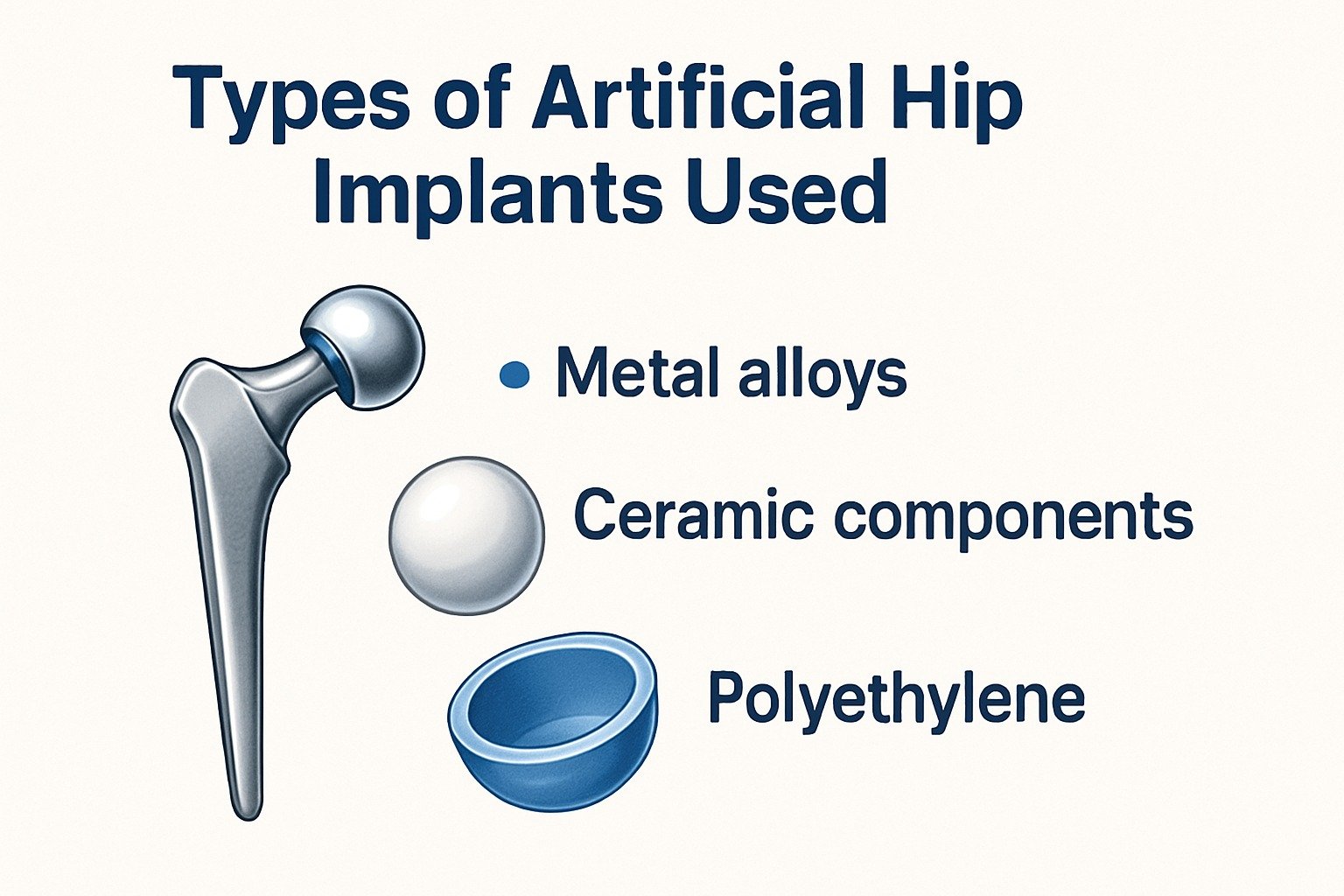
Depending on the patient’s age, medical history, and bone condition, implants may be made of:
Modern implants are durable, reliable, and designed to support 20+ years of mobility when maintained correctly.
Recovery happens in phases:
Timeframe | What to Expect |
First 48 Hours | Start walking with support |
Week 2–4 | Stitches removed and comfortable movement restored |
Week 6–8 | Daily activities become easier with reduced pain |
3–6 Months | Major recovery, stronger mobility |
6–12 Months | Complete healing and long-term comfort |
Following medical advice closely and attending physiotherapy sessions are essential for best results.
Post-surgery rehabilitation plays a major role in successful recovery. Patients are guided with:
Avoiding high-impact activities and maintaining a healthy weight helps protect the implant and prolong its lifespan.
You may be suitable for the surgery if:
If you meet these criteria, consulting a Hip Specialist in Dombivli ensures proper evaluation and structured treatment planning.
Patients experience life-changing improvements, including:
Many patients say the procedure restores independence and confidence.
Patients trust Gokhale Hospital because it offers:
✔ Skilled orthopedic team
✔ Advanced technology and modern OT
✔ Personalized treatment plans
✔ Comprehensive post-surgery rehabilitation
✔ Strong patient satisfaction history
Under the expertise of Dr. Jayant Gokhale, a respected Hip Replacement Specialists in Dombivli patients receive compassionate and precise medical care.
Total hip replacement is a highly effective procedure that helps individuals restore mobility, eliminate pain, and return to an active lifestyle. If you have been suffering from persistent hip discomfort and limited movement, it may be time to consult a Hip Operation Specialist in Dombivli and explore treatment options.